


As children, many of us were afraid to sleep in what seemed like then our pitch-black bedrooms, and we begged our parents to leave the bathroom or hallway light on. If you were lucky, they agreed after many outbursts. If you were truly lucky, you had a night light or a portable lamp on a bedside table. Kids still play the light game at night, turning lights on and off continuously. It seems they haven’t heard, according to some sources, this kind of behavior could get them arrested in 2013.
What Led to the Ban on Incandescent Light Bulbs
As it is often the case, the truth is less dramatic than the hype. The legislation that has everybody all worked up over incandescent light bulbs actually passed back in 2007, and is known as the Energy Independence & Security Act of 2007. The entire energy act is 822 pages long, and encompasses everything from building regulations to fuel standards, but the section that has generated the most speculation is the one on the simple household light bulb.
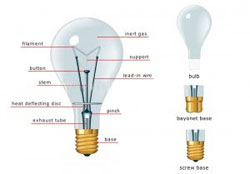
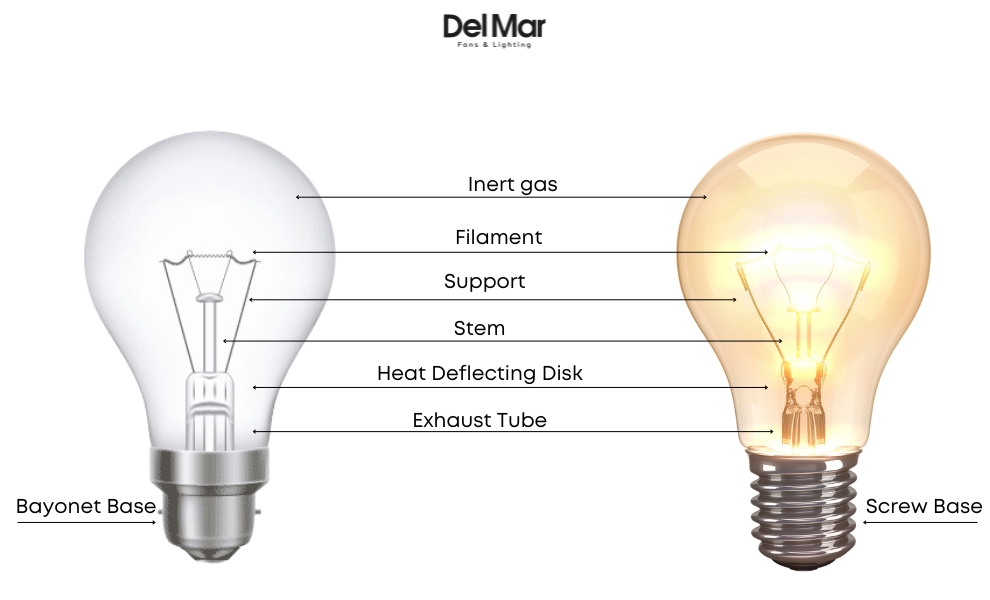
So what does the government have against these harmless looking incandescent light bulbs, anyway? It turns out, they are the household equivalent of a gas-guzzling SUV; they require energy to run, and lots of it. Light bulbs that are used in chandelier lights are the incandescent bulbs they are talking about. The scientists at Michigan State University explain the process this way: “Incandescent bulbs use heat caused by an electrical current. When electrical current passes through a wire, it causes the wire to heat. The wire, or filament, gets so hot that it glows and gives off light.” All to power a single light bulb.
Fortunately, unlike what many reputable news sources would lead us to believe, the act doesn’t ban incandescent light bulbs entirely; it merely tightens the standards for energy efficiency and phases out the traditional, less-efficient bulbs. The legislation, even the light bulb portion, is lengthy and full of legalese, but the EPA sums it up this way. The law:
- Does not ban the use or purchase of incandescent bulbs
- Does not ban the sale or manufacture of ALL incandescent bulbs, just those common household incandescent (and other) bulbs that are not energy-efficient
- Does not require the use of compact fluorescent bulbs
- Requires about 25 percent greater efficiency (that is, less energy use) for household light bulbs that have traditionally used between 40 and 100 watts of electricity
- Exempts many bulbs, including specialty bulbs, three-way bulbs, chandelier bulbs, refrigerator bulbs, plant grow lights and others
How the Light Bulb Ban Affects You and Your Home
You don’t have to scour your home and toss out any offending incandescent bulbs. After all, even the government is giving itself years to phase them out. The process, which actually began in 2008, requires that light bulbs be made more efficient in a series of phases from 2012-2014. The goal: Newer, more energy-saving light bulbs which will still emit the same amount of light. (For example, the newer more energy-efficient bulbs use only 72 watts to generate the same amount of light as a traditional 100 watt light bulb.)
Of course, when you compare light bulbs, other energy-efficient options already exist, including CFL and LED light bulbs . LED lights work differently than incandescent light bulbs, because an LED is a semiconductor diode that glows when voltage is applied. They don’t require heat to create light, and therefore use far less energy. Plus, the light is more focused, safe, and longer-lasting.
For years, incandescent light bulbs have been a household favorite, known for their cozy warmth and dependable performance. However, the growing emphasis on energy-efficient lighting has sparked discussions and confusion among consumers. As these traditional bulbs are gradually phased out in favor of more sustainable options, various myths have surfaced. Concerns about cost, light quality, and safety have added to the debate. This blog seeks to tackle the key concerns and dispel the common myths surrounding this transition. By exploring the benefits and clearing up misconceptions, we can gain a greater appreciation for the advancements in lighting technology.

The transition away from incandescent bulbs in the U.S. began with the bipartisan Energy Independence and Security Act (EISA) of 2007, signed by President George W. Bush. This landmark legislation aimed to address energy consumption, reduce greenhouse gas emissions, and enhance energy independence. A key component of the EISA was the implementation of higher efficiency standards for a range of appliances, including light bulbs. The act mandated that new light bulbs use about 25% to 30% less energy than traditional incandescent bulbs, effectively phasing out many of the less efficient models. These standards paved the way for the widespread adoption of compact fluorescent lamps (CFLs) and light-emitting diodes (LEDs), which offered superior energy efficiency and longer lifespans. The EISA represented a significant step toward sustainability, reflecting a growing recognition of the need for environmental responsibility in energy use.
Myths Surfacing Incandescent Light Bulbs
Myth 1: The Government is Banning All Light Bulbs


A common myth is that the U.S. government is banning all light bulbs. In reality, the government is not eliminating all light bulbs but is enforcing higher efficiency standards for general service lamps. These new standards, which come into effect in 2028, will ensure that LED bulbs are widely available. Consumers will still have a range of light bulb choices, including specialized incandescent bulbs like those used in ovens or as bug lights, which are exempt from these rules.
Myth 2: Phase-Out is Government Overreach by the Administration


Some believe that the phase-out of incandescent bulbs represents an overreach by the current administration. However, this transition was initiated by the bipartisan Energy Independence and Security Act (EISA) of 2007, signed into law by President George W. Bush. The act set higher efficiency standards for light bulbs to reduce energy consumption and greenhouse gas emissions. The Department of Energy (DOE) is now enforcing these standards in accordance with Congressional directives. This long-standing effort aims to save consumers money on energy bills and promote sustainability. The phase-out is not a new policy but a continuation of a bipartisan initiative that reflects a commitment to environmental responsibility and energy efficiency.
Myth 3: Incandescent Bulbs are Brighter and Cheaper than LEDs

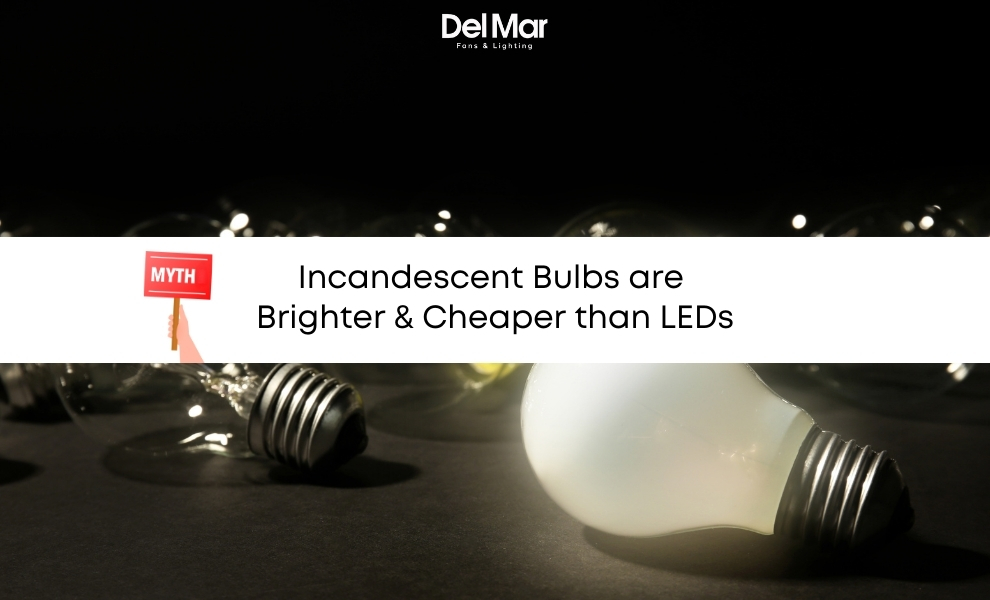
There is a misconception that incandescent bulbs are brighter and less expensive than LED bulbs. While incandescents do have a lower upfront cost, this is where their advantages end. LEDs consume 75% less energy, making them far more efficient. Additionally, LEDs last 25 to 50 times longer than incandescent bulbs, significantly reducing the frequency of replacements. This combination of longevity and energy efficiency translates to substantial savings on energy bills over time. Despite their higher initial price, LEDs prove to be more cost-effective in the long run. Their durability and lower energy consumption make LEDs a superior choice for both household budgets and environmental impact.
Myth 4: Higher Efficiency Bulbs are Overall More Expensive
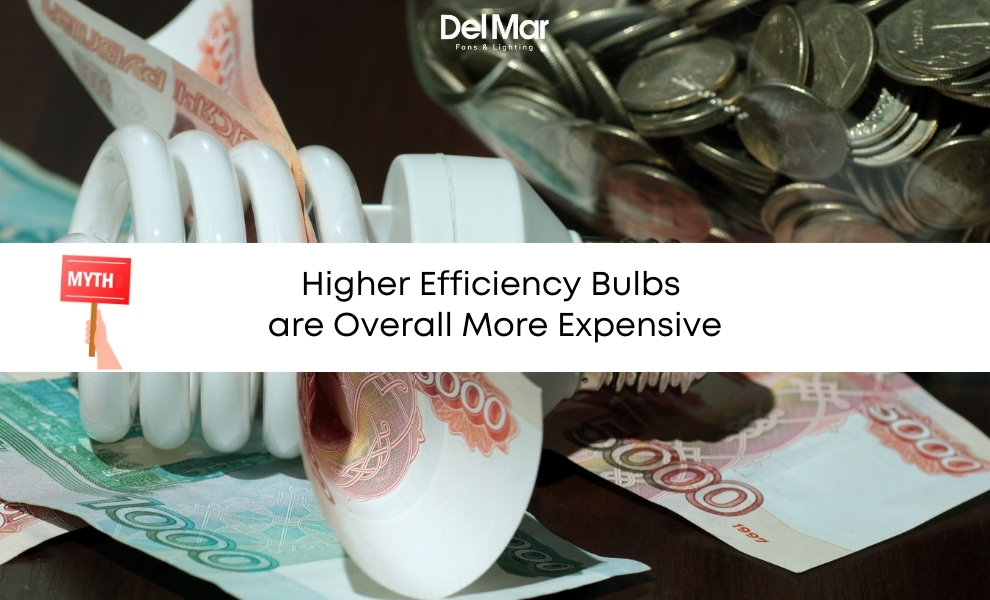
While it’s true that higher efficiency bulbs such as LEDs have a higher initial purchase price, the difference is relatively small when compared to traditional incandescent bulbs. Typically, LEDs cost around $5 to $6 per bulb, whereas incandescent bulbs are slightly cheaper, ranging from $3 to $4 per bulb. However, this initial cost difference is quickly offset by the benefits of LEDs.
LED bulbs have a significantly longer lifespan than incandescent bulbs, often lasting 25,000 hours or more compared to the 1,000-hour lifespan of incandescents. This means that while you might spend a few dollars more upfront, you won’t need to replace LED bulbs nearly as often. Additionally, LEDs are much more energy-efficient, consuming about 80% less energy than incandescent bulbs to produce the same amount of light.
Over time, the energy savings from using LEDs can be substantial. According to Energy.gov, the reduced energy consumption and extended lifespan of LEDs typically offset their initial cost within a year. Therefore, while LEDs may appear more expensive at first glance, they offer greater value and savings in the long run.
Top Benefits of Using LED Bulbs
Transitioning to more energy-efficient lighting isn't just a matter of cost savings; it also has significant environmental benefits. The widespread adoption of LED lighting can play a crucial role in reducing our overall environmental footprint. The U.S. Department of Energy (DOE) estimates that if Americans increased their use of LED lighting, it could result in annual savings of $3 billion on utility bills. Furthermore, over the next 30 years, this shift could reduce carbon emissions by approximately 222 million metric tons.
Such reductions in energy use and carbon emissions are vital for combating climate change. By consuming less electricity, which is often generated from fossil fuels, LEDs help to decrease greenhouse gas emissions. This not only aids in mitigating the impacts of climate change but also promotes overall sustainability. Thus, the move to LED lighting supports global efforts to create a more sustainable and environmentally friendly future.
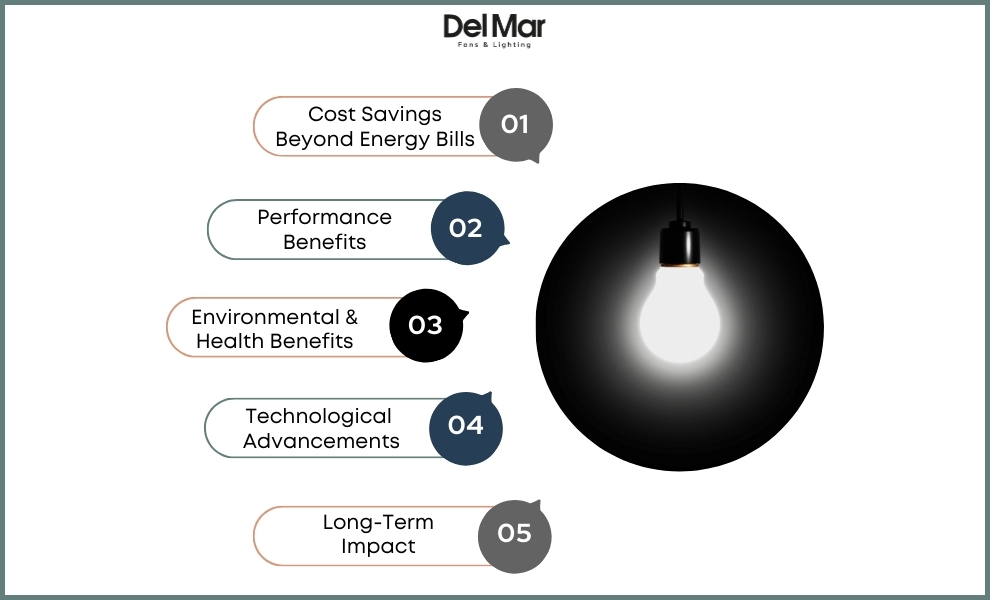

1. Cost Savings Beyond Energy Bills
- Reduced Maintenance Costs: Due to their longer lifespan, LEDs reduce the frequency of bulb replacements. This is particularly advantageous in commercial settings where labor costs for maintenance can be significant.
- Lower Cooling Costs: LEDs emit very little heat compared to incandescent bulbs. This can lead to savings on air conditioning and cooling expenses, especially in warmer climates or heavily lit spaces.
- Rebates and Incentives: Many utility companies and governments offer rebates and incentives for switching to energy-efficient lighting. These programs can help offset the initial cost of LED bulbs, making them even more affordable.
2. Performance Benefits
- Instant Full Brightness: LEDs turn on at full brightness instantly, unlike some other energy-efficient bulbs that may have a warm-up period.
- Dimmability: Many LED bulbs are compatible with dimmer switches, allowing for greater control over lighting levels and additional energy savings.
- Variety of Color Temperatures: LEDs are available in a wide range of color temperatures, from warm to cool light, allowing users to choose the ambiance that suits their needs best.
3. Environmental and Health Benefits
- Reduced Hazardous Waste: Unlike fluorescent bulbs, LEDs do not contain mercury, a hazardous substance that requires special disposal methods. This makes LEDs safer for the environment and easier to dispose of.
- Improved Air Quality: By reducing the need for power generation, which often relies on fossil fuels, LEDs help decrease air pollution and improve overall air quality.
- Better Lighting Quality: LEDs can provide better color rendering, enhancing the appearance of objects and spaces, which can positively impact mood and productivity.
4. Technological Advancements
- Smart Lighting Integration: Many modern LED bulbs are compatible with smart home systems, allowing users to control their lighting remotely via smartphones or voice commands, further enhancing convenience and energy savings.
- Innovative Designs: LEDs allow for more innovative and flexible lighting designs due to their small size and lower heat output. This enables the creation of unique and aesthetically pleasing lighting solutions.
5. Long-Term Impact
- Market Transformation: As the market shifts towards energy-efficient lighting, economies of scale are driving down the cost of LEDs, making them more accessible to a broader range of consumers.
- Energy Independence: Reducing energy consumption through efficient lighting contributes to energy independence by decreasing reliance on imported fuels.
- Sustainable Development: Adopting LED technology aligns with global sustainable development goals, supporting initiatives to reduce energy consumption and carbon footprints worldwide.
The phase-out of incandescent light bulbs is often surrounded by myths and misconceptions, one of the most prevalent being the perceived higher overall cost of more efficient bulbs. However, this belief doesn't hold up under scrutiny. While LEDs and other efficient lighting technologies might have a higher upfront cost, they provide significant long-term savings. LEDs use much less energy and last much longer than incandescent bulbs, which translates to lower electricity bills and fewer replacements. This makes them not only a smart financial investment but also a practical choice for reducing household or business expenses over time.
Beyond the financial benefits, the environmental impact of switching to more efficient lighting is profound. Incandescent bulbs are highly inefficient, wasting a lot of energy as heat, whereas LEDs convert most of the energy they consume into light. This efficiency reduces the demand for power, often generated from fossil fuels, thus lowering greenhouse gas emissions and helping to combat climate change. By adopting LEDs, we are taking a significant step towards reducing our carbon footprint and promoting sustainability. This collective move towards more efficient lighting technologies supports a brighter, more sustainable future for our planet, highlighting the importance of energy efficiency and environmental stewardship.
References
- Debunking Myths about Phasing Out the Incandescent Lightbulb | Department of Energy-
- Everything you need to know about the new incandescent lightbulb ban (nypost.com)
- What you need to know about the incandescent light bulb ban | CNN Business
- It's lights out for incandescent bulbs. Did anyone even notice? - Los Angeles Times (latimes.com)
