


Pendant lights are one of the most versatile and stylish options for lighting your home. Whether you're illuminating a kitchen island, dining area, or living space, pendant lights offer both functionality and aesthetic appeal. These hanging fixtures come in various shapes, sizes, and configurations, allowing you to customize your lighting to fit your needs and style. This blog will explore the different types of pendant lights, discussing the pros and cons of each to help you make an informed decision for your home.
Single Pendant Lights
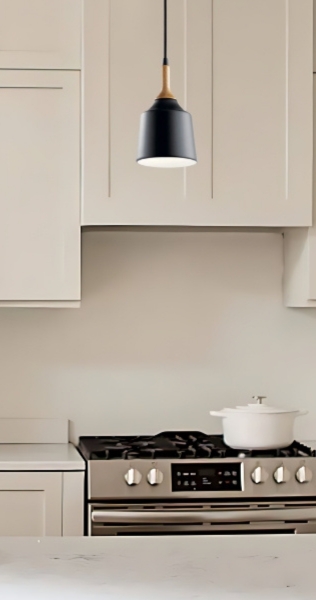


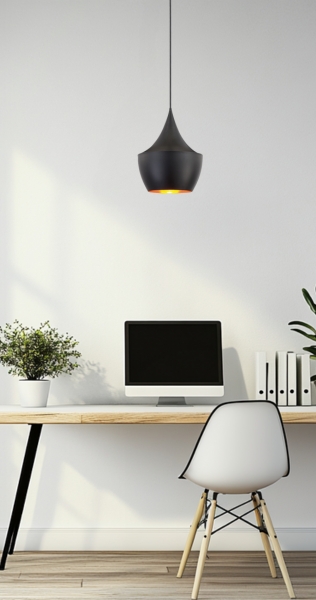
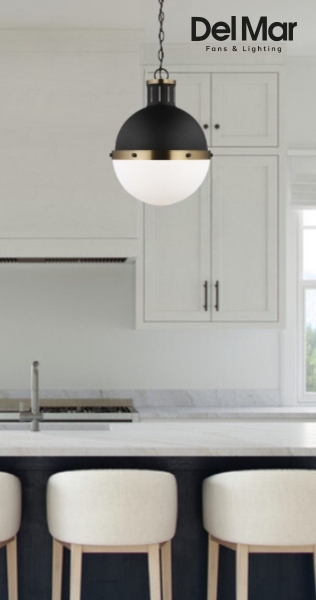

Single pendant lights are perhaps the most common type of pendant lighting. They consist of a single light source suspended from the ceiling by a cord, chain, or rod. These lights are great for areas where focused lighting is needed, such as above a kitchen sink or a small dining table. Some of the product recommendations are the Kichler Danika Pendant, Eurofase Piquito Pendant, and Visual Comfort Studio Hanks Pendant.
Pros:
- Versatility: Can be used in various settings, from kitchens to bedrooms.
- Easy Installation: Typically straightforward to install, making them a popular DIY choice.
- Customizable: Available in a wide range of designs, materials, and finishes.
Cons:
- Limited Coverage: Only illuminates a specific area, so multiple fixtures may be needed for larger spaces.
- Potential for Glare: Depending on the shade and bulb used, single pendants can sometimes produce glare.
Double Pendant Lights

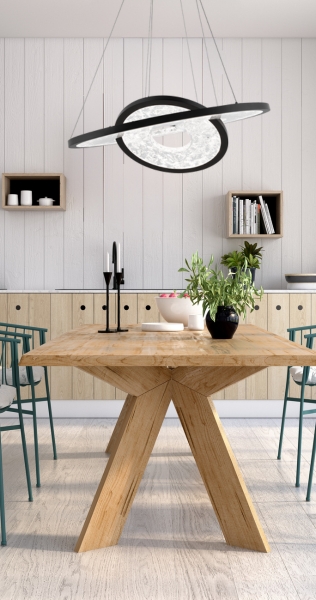
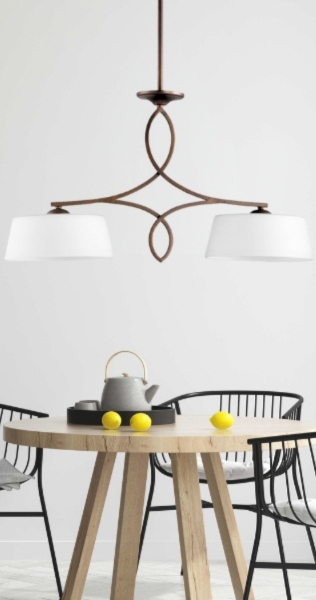


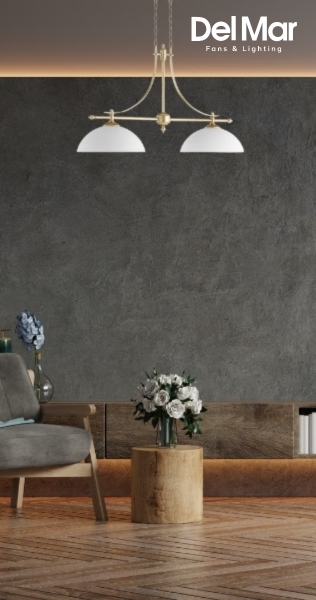
Double pendant lights are a type of lighting fixture that features two pendant lights suspended from the ceiling, often from a single canopy or mount. They are commonly used for providing focused lighting in kitchens (especially above islands), dining areas, or as accent lighting in various rooms. Some examples are the Modern Forms Luminaires Jupiter Pendant, Quorum Willingham Pendant, and Quorum Aspen Pendant.
Pros:
-
Balanced Illumination: Provides more light than a single pendant while maintaining symmetry.
-
Aesthetic Appeal: Offers a stylish and cohesive look, especially over dining tables or kitchen islands.
Cons:
-
More Complex Installation: May require professional installation.
-
Less Flexibility: Fixed positioning may limit adjustment options for the lights.
Mini Pendant Lights


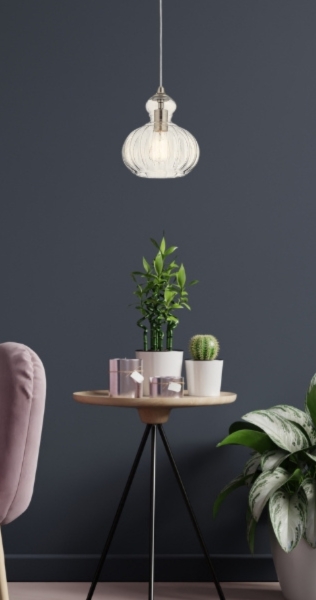


Mini pendant lights are small, single-light fixtures that hang from the ceiling, typically on a rod, cord, or chain. They are popular for providing focused lighting in areas like kitchen islands, sitting corners, countertops, and even over bedside tables. Examples are the Maxim Arabesque Pendant, Kichler Riviera Pendant, and Kichler Valserrano Pendant.
Pros:
- Space-Saving: Ideal for small areas where larger lights would be overpowering.
- Decorative: Adds a stylish accent to the room without being too bold.
- Affordable: Generally less expensive than larger pendant lights.
Cons:
- Limited Light Output: May not provide enough light on their own for larger spaces.
- Multiple Fixtures Needed: Often requires the use of several mini pendants to achieve sufficient lighting.
Multi-Light Pendant Lights

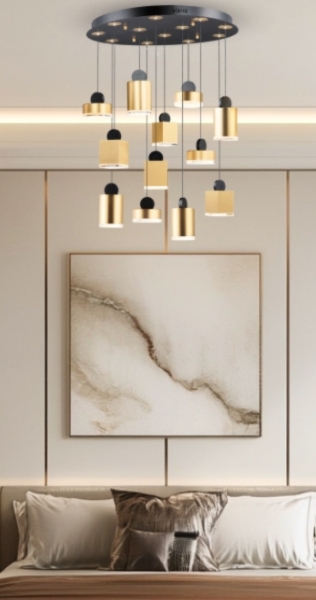

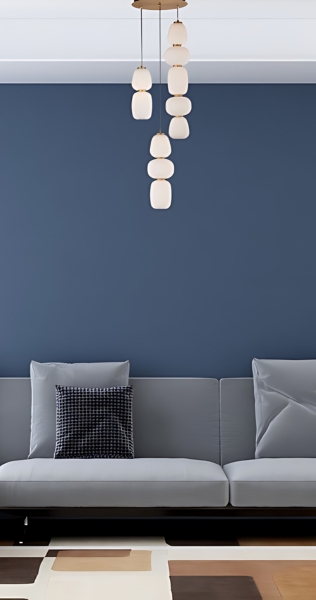
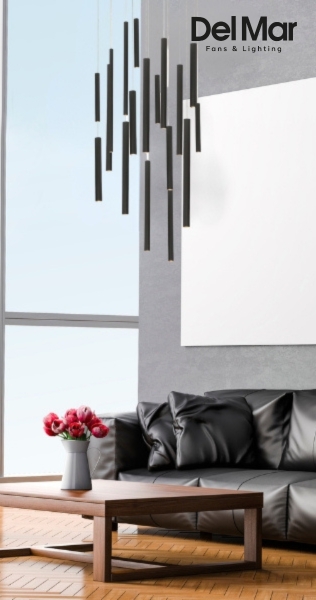

Multi-light pendant lights are lighting fixtures that feature multiple pendants or bulbs attached to a single canopy or base. These lights offer both decorative appeal and functional illumination, making them ideal for larger spaces like dining rooms, kitchens, and living areas. Examples include ET2 Nob Pendant, ET2 Soji Pendant, and Eurofase Santana Pendant.
Pros:
- High Impact: Creates a focal point in the room, making it ideal for larger spaces.
- Ample Lighting: Provides more light coverage, reducing the need for additional fixtures.
- Design Variety: Available in many styles, from modern to industrial.
Cons:
- Bulky: Can be too large or overwhelming for small spaces.
- Higher Cost: Typically more expensive than single or mini pendants due to the number of lights and complexity.
Linear Pendant Lights


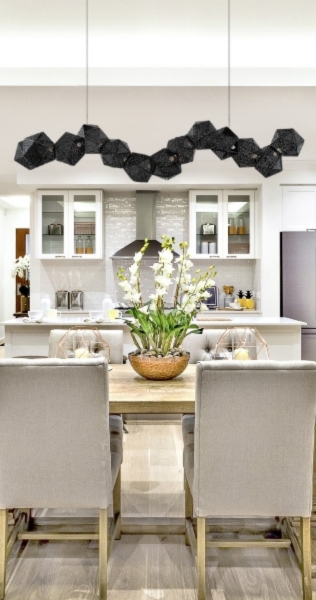

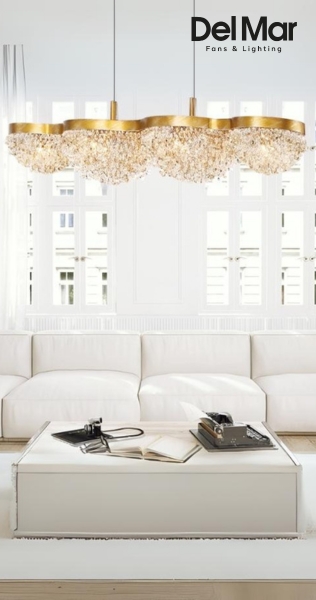

Linear pendant lights are elongated lighting fixtures that typically feature multiple light sources arranged in a straight line. They are designed to provide even illumination across a wide area, making them ideal for spaces like kitchen islands, dining tables, or living areas. Their sleek, modern look can also complement living rooms, workspaces, and other environments where both style and function are important. Some examples are the Quoizel Dazzle Pendant, Modern Forms Luminaires Riddle Pendant, and Eurofase Mondo Pendant.
Pros:
- Even Lighting: Distributes light evenly across the length of a table or counter.
- Modern Aesthetic: Offers a sleek, contemporary look.
- Efficient Use of Space: Covers a large area with a single fixture.
Cons:
- Limited to Specific Spaces: Best suited for long, narrow spaces, limiting versatility.
- Challenging Installation: May require precise measurements and professional installation.
Track Lighting Pendants
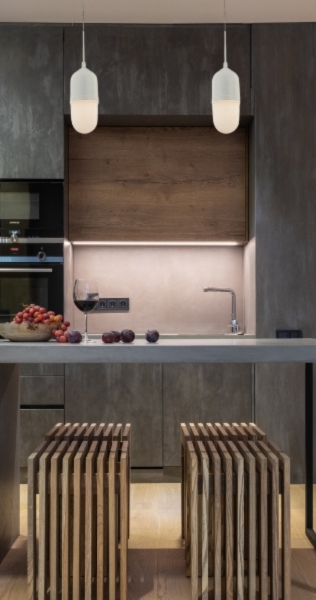
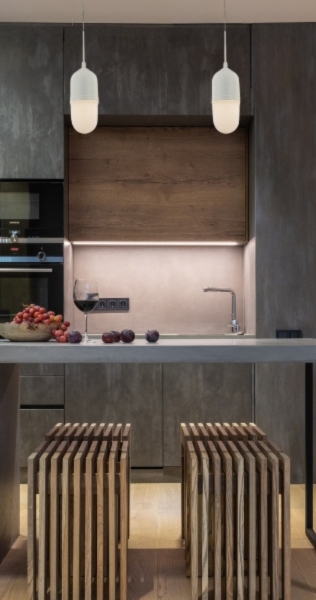


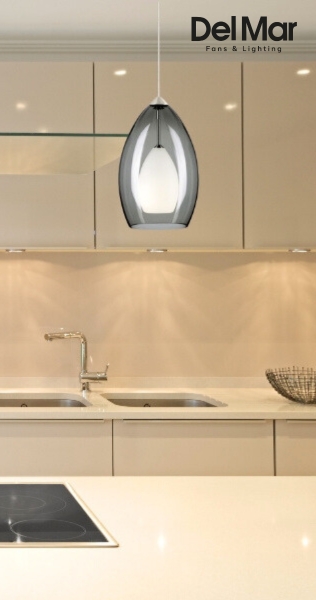
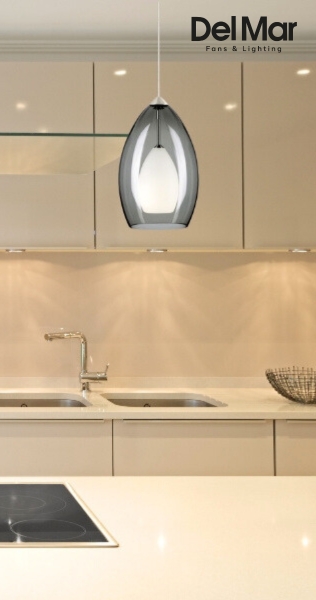
Track light pendants consist of multiple pendants attached to a track, allowing you to adjust the position of each light along the track. This type of lighting is perfect for spaces that require flexibility. Some examples are George Kovacs Lightrails Round Track Lighting Pendant, Visual Comfort Modern Tibor Satin Nickel Track Lighting Pendant, and Visual Comfort Modern Fire Satin Nickel Track Lighting Pendant.
Pros:
- Adjustability: Lights can be moved along the track to direct light where it's needed most.
- Customizable: Multiple pendants can be added or removed as needed.
- Great for Task Lighting: Ideal for kitchens, workspaces, and galleries where directional lighting is essential.
Cons:
- Complex Installation: Typically requires professional installation and potentially additional electrical work.
- Visual Clutter: The track system can appear busy or cluttered, especially in minimalist spaces.
Adjustable Pendant Lights
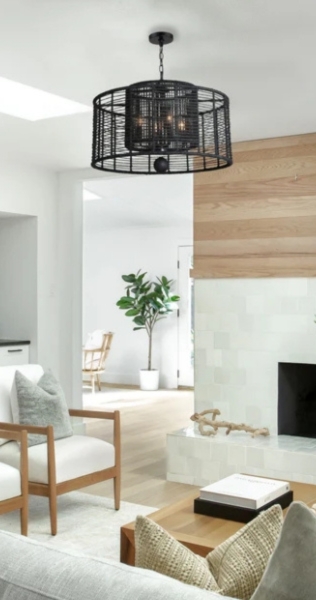
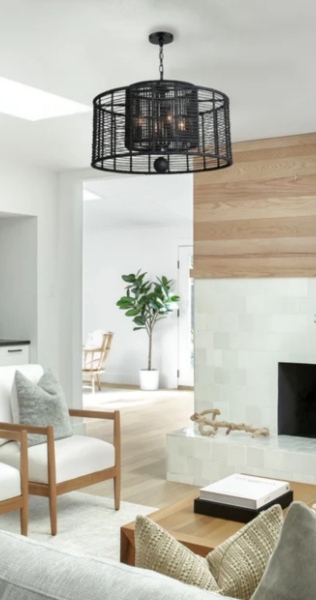


Adjustable pendant lights are designed with flexibility in mind, allowing you to change the height of the lighting fixture. These lights are great for spaces that serve multiple functions. Examples include Crystorama Jayna Pendant, Hinkley Astrid, and Hudson Valley Hinsdale Pendant.
Pros:
- Versatile: Can be adjusted to fit different tasks and moods.
- User-Friendly: Easy to modify without needing tools or professional help.
- Space-Efficient: Perfect for rooms with varying ceiling heights or where versatility is key.
Cons:
- Limited Design Options: Fewer style choices compared to other pendant lights.
- Potential Wear: Frequent adjustments may lead to wear and tear over time.
Pendant Light Length Based on Ceiling Height
| Ceiling Height (feet) | Range for Height of Pendants (inches) |
| 7 | 14" - 21" |
| 8 | 16" - 24" |
| 9 | 18" - 27" |
| 10 | 20" - 30" |
| 11 | 22" - 33" |
| 12 | 24" - 36" |
| 13 | 26" - 39" |
| 14 | 28" - 42" |
| 15 | 30" - 45" |
| 16 | 32" - 48" |
- Measure the distance from the floor to the installation site.
- Multiply the number of feet by two and three.
- These numbers represent the range in inches of the appropriate pendant height for your ceiling height.
For a quick method to determine the proportional height of your pendant fixtures to your ceiling height:
- Take your ceiling height in feet.
- Multiply by two.
- Multiply by three.
- These two numbers represent the minimum and maximum range in inches that you should shop for your new pendant light fixture.
Example:
- Suppose your ceiling height is 10 feet.
- Multiply 10 feet by 2 to get 20 inches.
- Multiply 10 feet by 3 to get 30 inches.
So, the ideal pendant height range for a 10-foot ceiling is between 20 and 30 inches.
This way, your pendant lights will be perfectly proportionate to your ceiling height, creating a balanced and stylish look.
Distance Between Pendant Lights
Follow these steps to space your pendants properly:
- Measure the length of your table.
- Divide the length by your desired number of pendants plus one. This calculation gives you the estimated space between each fixture, measured from the center of one pendant to the center of the next.
Note: If this space is less than the width of your pendant, consider reducing the number of pendants.
- Find the center of the table by dividing the table length and width in half.
- Positioning Pendants: For an odd number of pendants, install the middle pendant at the center of the table.
For an even number of pendants, install the two middle pendants equidistant from the center.
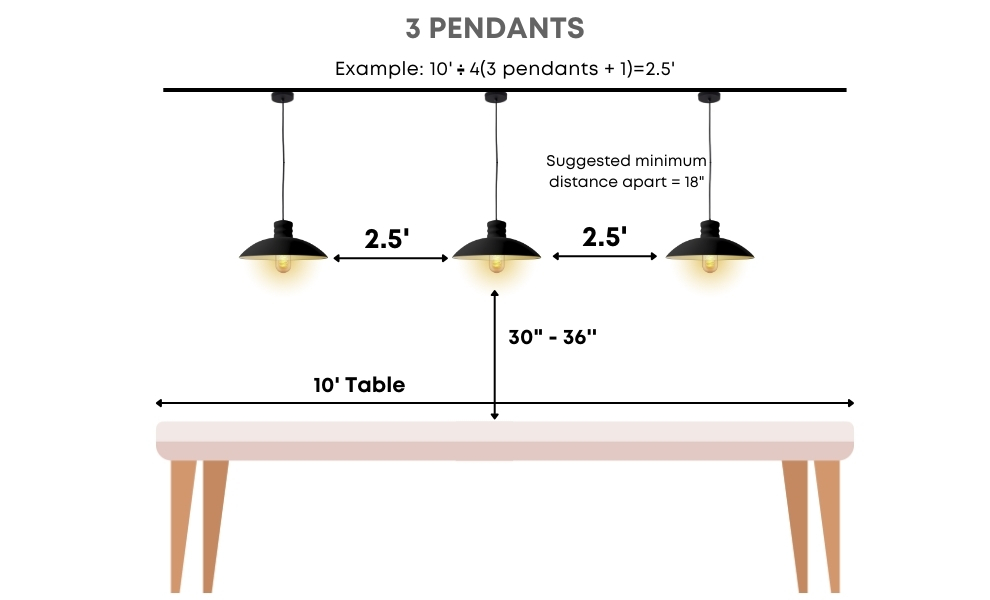
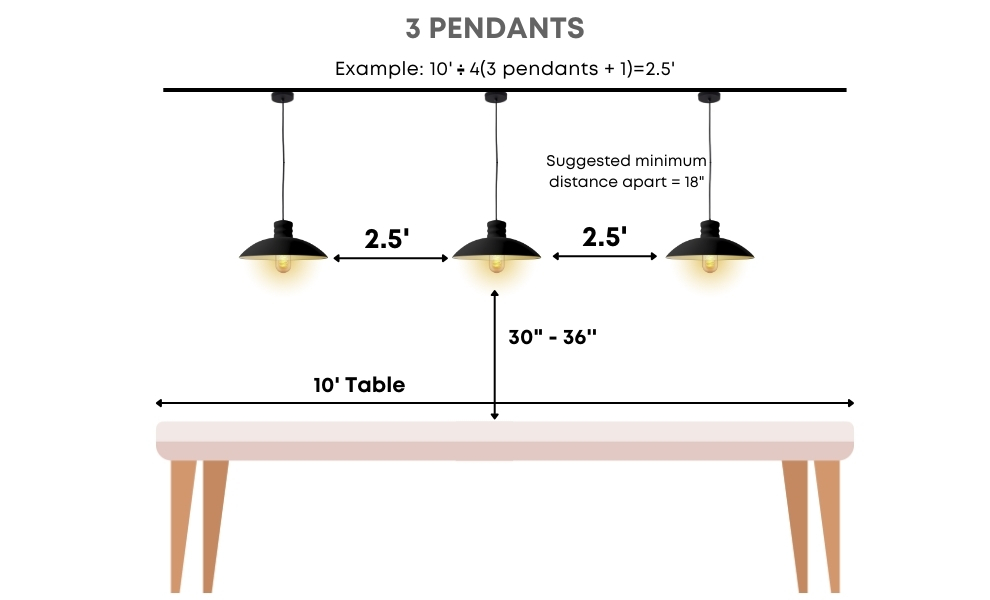
Example:
Odd Number of Pendants:
- For a 10-foot table with 3 pendants:
Divide 10 by 4 (3 pendants plus 1) to get 2.5 feet (30 inches).
The space between each pendant should be 2.5 feet.
For more information on this, read the blog: The Ultimate Guide to Pendant Lighting for a Cozy Home.
Pendant lights are a fantastic way to enhance the ambiance and functionality of your home. From the simplicity of single pendant lights to the versatility of adjustable options, there’s a style to fit every need and aesthetic. By understanding the pros and cons of each type, you can select the perfect pendant lighting to illuminate your space beautifully.


